
(AP) – The United States is striking back against Iran after months of escalating attacks on American forces and commercial shipping across the Middle East.
U.S. Central Command says American forces completed a new barrage Tuesday against Iranian military targets, including air-defense installations, radar systems and maritime assets. The operation follows Iranian attacks aimed at U.S. personnel and commercial vessels, as well as Tehran’s efforts to restrict traffic through the strategic Strait of Hormuz.
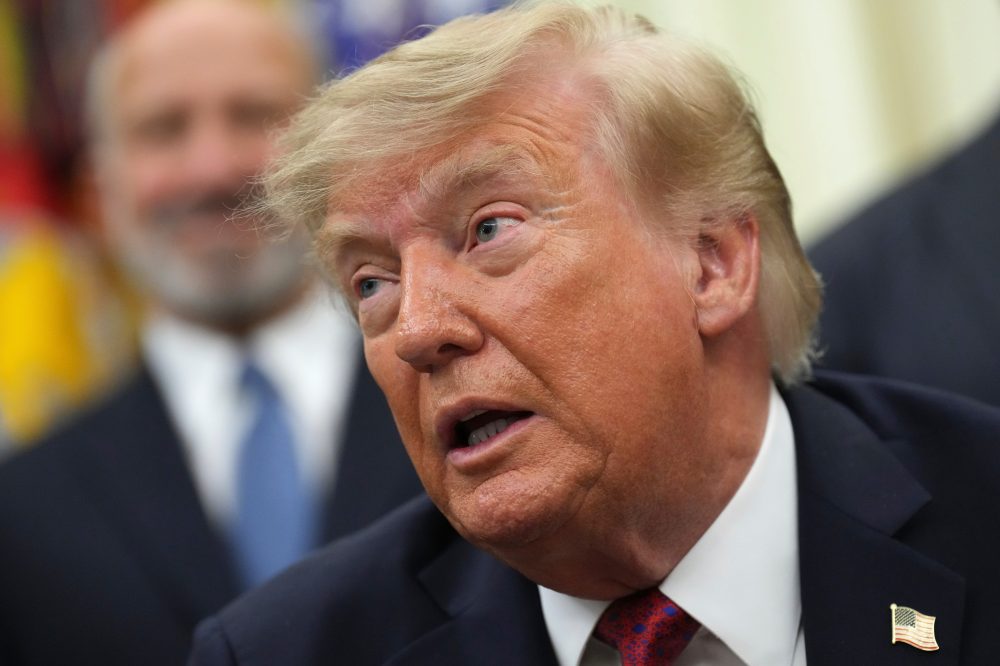
President Donald Trump says the United States is in a position of strength—and he is making clear that Washington will not be pressured into accepting a weak or meaningless agreement with Tehran.
In a social-media post late Tuesday, Trump said he would not force Iran to return to the negotiating table. He said he preferred America’s current position, citing what he described as near-total control of the Strait of Hormuz and the collapse of Iran’s economy.
Trump also warned Iran that any retaliation would bring an even stronger American response.
Earlier in the day, the president told Fox News that U.S. forces targeted Iranian radar systems as they were being rebuilt.
“They tried to rebuild their radar because they can’t see anything,” Trump said. “We waited until it was almost built and then we hit it.”
The new strikes came after a month-long pause in military action. That pause ended Sunday, when American forces hit Iranian rocket launchers believed to be capable of deploying sea mines in the Strait of Hormuz.
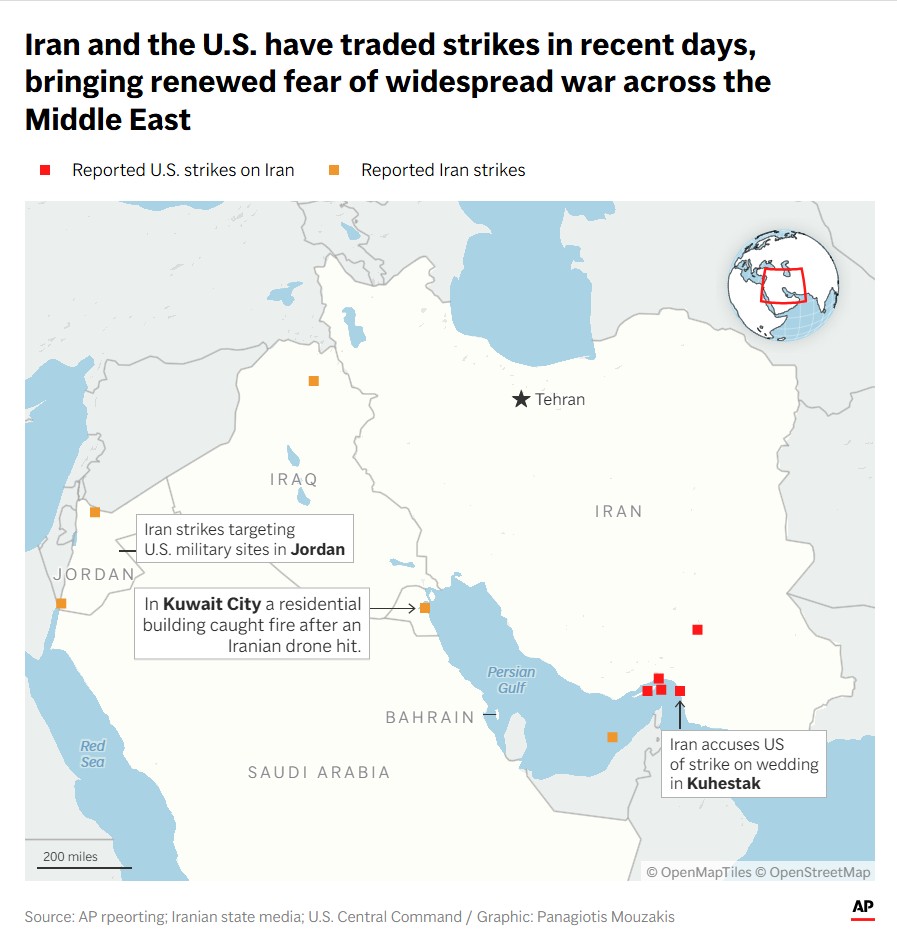
Iran responded Tuesday by firing ballistic missiles and drones toward targets across the region.
Jordanian authorities said Iran launched missiles toward the kingdom, apparently targeting a U.S. military facility near the Gulf of Aqaba. Jordan’s military reported that it intercepted ten missiles, while three others landed in unpopulated areas. Explosions from the interceptions were seen over Aqaba.
Kuwait also said its air defenses intercepted Iranian drones following what it called a criminal Iranian attack. Iran claimed to have targeted American forces in Bahrain, but Bahraini authorities said the attacks were intercepted.
Iranian officials are threatening what they call “crushing and devastating blows” against the United States. Tehran’s Revolutionary Guard also warned that the attacks had strengthened Iran’s resolve and tightened its effective closure of the Strait of Hormuz—a vital oil corridor normally carrying roughly one-fifth of the world’s petroleum.
Iranian officials also reported civilian casualties from the American strikes, including an attack on a home in southern Iran where a wedding was taking place.
U.S. Central Command said it is aware of the reports but noted that they originated with Iranian state media. A military spokesman emphasized that American forces do not target civilians and accused Iran’s Revolutionary Guard of doing so.
Iranian President Masoud Pezeshkian said earlier Tuesday that Tehran would return to an interim ceasefire if Washington resumes its commitments. That agreement, reached in June, called for a sixty-day negotiating period but collapsed soon afterward.
For now, President Trump is signaling that American security—not Iranian demands—will determine the next step. The administration says the mission is limited, but with Iran continuing to threaten U.S. forces and global shipping, the standoff shows no sign of ending.
Brought to you by www.srnnews.com
 Turkey’s relations with Russia, China don’t mean turning its back on the West, Erdogan says
 Tensions tied to Ceuta migrant crisis overshadow a date usually reserved for celebration
 Rubio urges partners to stop ‘business as usual’ with Nicaraguan government
 Iran targets US allies in Gulf after overnight attacks, and other Mideast news