
BANGKOK (AP) — Widespread backsliding on protections of basic rights is taking a toll on Asian economies as growing inequality leaves the poor vulnerable to labor abuses and scams, a report by Human Rights Watch says.
The report released Thursday says many governments in the region have grown more hostile to efforts to protect basic human rights as an authoritarian wave has swept across the world in the past year.
It urges “rights respecting democracies” to form alliances with civil society groups to counter that trend and help to fill a vacuum left by the U.S. withdrawal of foreign aid and participation in international organizations, such as the World Health Organization, under President Donald Trump.
Here is what to know.
Weakened basic human rights are intertwined with hardships for many in the region. In Afghanistan, forced returns of displaced people plus sharp cuts to foreign aid have left more than 22 million people without enough food, shelter or medical care, the report noted.
Authoritarian governments have outlawed dissent, enabling officials to evade public accountability and undermining the rule of law.
In Indonesia, Indigenous activists and government critics, particularly those opposing mining companies and oil plantations, faced threats and arrests, it said, giving them no recourse against powerful vested interests.
Predatory microfinance lending is another practice that has trapped the poor in indebtedness in places like Cambodia, where Indigenous communities, in particular, have fallen prey to forced land sales and a lack of access to their traditional livelihoods, it said.
Nepal and Bangladesh are among several countries in Asia that rely heavily on remittances from migrant workers who are vulnerable to abuses despite decades of work aimed at protecting them.
The workers often must take out loans at high interest rates to pay recruitment fees and once they arrive overseas face abuses by foreign employers and domestic recruitment agents, including a wage theft, unsafe working conditions and sexual violence, among other violations.
In the wealthy city-state of Singapore, migrant workers are excluded from the country’s Employment Act and limits on working hours, among other protections, and are restricted from participating in union activities, the report said.
In Cambodia, Laos and Myanmar, a failure to consistently enforce laws against human trafficking, labor abuses and criminal activities have allowed cyber-scam centers to flourish despite occasional crackdowns, the report noted.
In Cambodia, the government has detained journalists working to expose such activities, accusing them of threatening national security and the “dignity of national leaders,” it said.
In Myanmar, a 2021 military takeover deposed the elected government of Aung San Suu Kyi, leading to civil war that has displaced 3.6 million people in the country, while millions more have fled to neighboring Thailand and Bangladesh.
Illicit activities have flourished, and after years of progress toward its eradication, Myanmar has become the world’s top opium producer and a major source of synthetic drugs, the report said.
Despite increasingly authoritarian governments in many parts of Asia and the rest of the world, there are some encouraging signs.
The report pointed to the success of South Korean lawmakers in pushing back against former President Yoon Suk Yeol’s failed declaration of martial law and his subsequent impeachment. Yoon was sentenced to five years in prison.
Demonstrations by young citizens in Nepal, Indonesia and Bangladesh, dubbed Gen-Z protests, have helped draw attention to corruption, inadequate public services, inequality and poor governance, it said, although they did not always succeed in effecting democratic and peaceful change.
Violent protests swept across Indonesia and left 10 people dead in late August after reports that lawmakers were getting monthly housing allowances nearly 10 times the minimum wage in the country’s capital, Jakarta.
“People know when they see unjust, unaccountable governments,” said Elaine Pearson, the Asia director of Human Rights Watch, “and they’re prepared to take to the streets and do something about it.”
Brought to you by www.srnnews.com
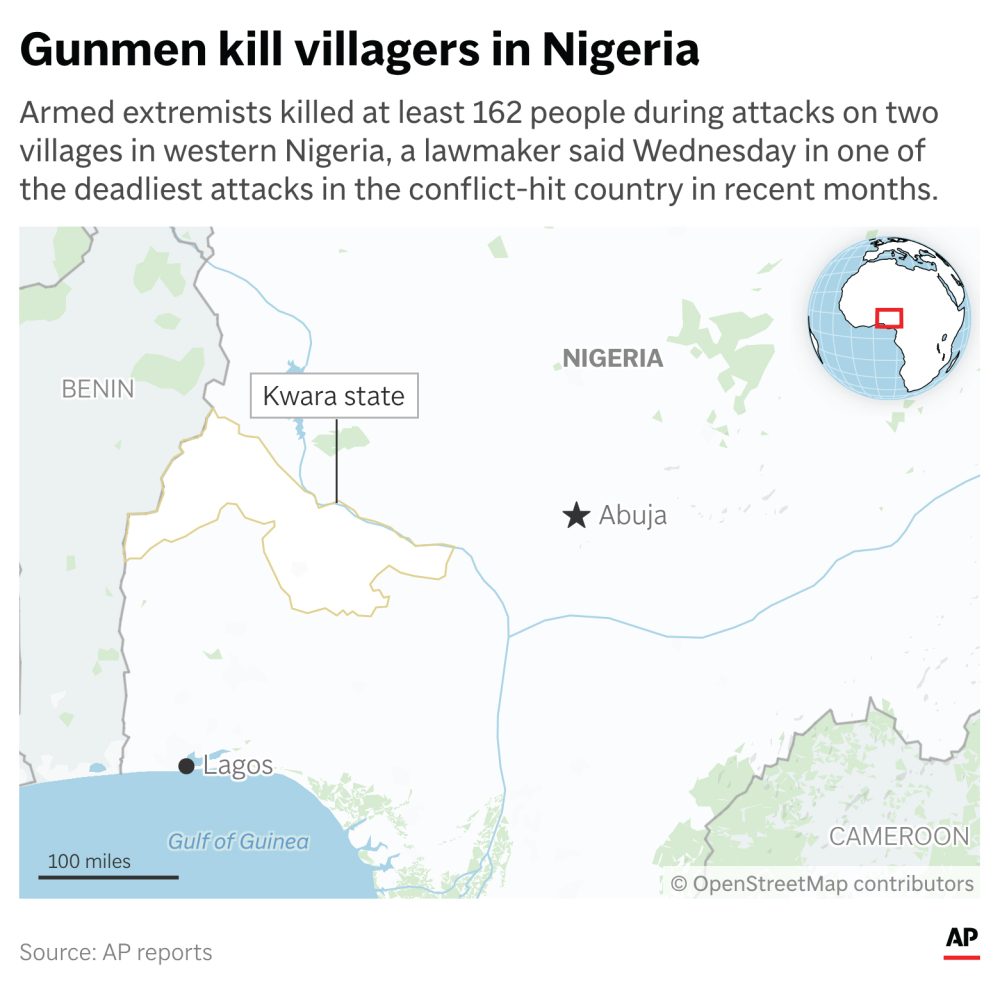 Nigeria sets up new military command to slow spread of Islamic militants after deadly attack
 Machado says Venezuelan elections could happen this year, Politico reports
 Deaths were avoidable in Channel’s worst migrant boat disaster, UK inquiry finds
 Irish attorney general raises concerns on sanctioning services in Israeli settlements