
BERLIN (AP) — Friedrich Merz says he intends to stay on as the leader of Germany and his party after a string of state election defeats. But it’s unclear how much room for maneuver the chancellor still has, only 16 months after he took office.
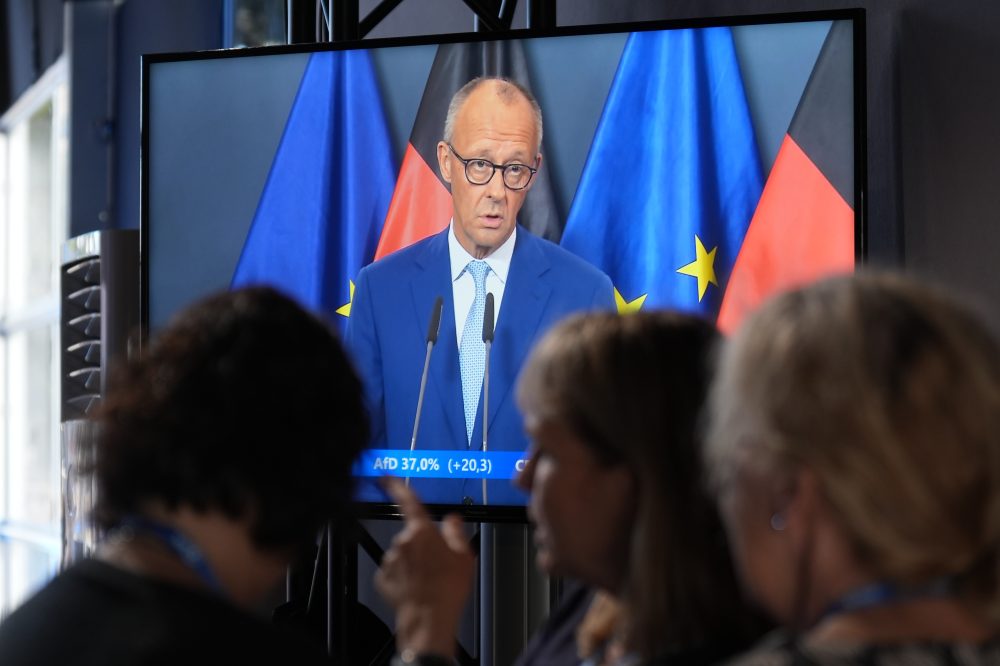
The 70-year-old sought within minutes of polls closing Sunday in Mecklenburg-Western Pomerania and Berlin to shore up his position in his center-right Christian Democratic Union. He made a highly unusual election evening appearance to insist that he would press ahead with reforms meant to get the sluggish economy moving.
“What has to be done now requires backbone, steadfastness and patience,” Merz said. “I will demonstrate that as the CDU party leader and above all as chancellor of our country.”
The big question is whether the CDU will support him in that, and for how long.
The party’s eight state governors publicly backed him before Sunday’s two elections. But Merz’s statement on Sunday itself underlined the erosion of his authority in recent weeks, and it remains to be seen whether support from powerful regional leaders and lawmakers will hold.
Merz has one advantage: there’s no single obvious successor waiting in the wings. Potential options who have been named include the governors of North Rhine-Westphalia, Hendrik Wüst; Bavaria, Markus Söder; and Hesse, Boris Rhein.
For now, though, no one has signaled any interest in taking over, and Wüst has an election to fight next spring in his own state, Germany’s most populous.
Survival is one thing, but this month’s state elections haven’t made it easier for Merz to govern effectively.
Merz already agreed the outline of proposed reforms with his junior governing partners, the center-left Social Democrats. But politicians on both sides of the governing coalition have questioned details of them during these election campaigns, particularly aspects of an overhaul of the pension system, and it’s unclear whether he can get them through parliament the way he planned.
The governing coalition has only a 12-seat majority in the 630-seat Bundestag, the national parliament’s lower house. It will need to show discipline that it hasn’t always mustered to pass the reform plans, which won’t be easy if lawmakers grow more nervous. But that thin majority also complicates any plan to replace Merz: any successor would need to get elected in the Bundestag.
Merz could, at least in theory, choose to turn over the task of managing his party to someone else and concentrate on running the country.
There is a precedent: Angela Merkel gave up the CDU leadership after a poor state election result in 2018 but remained chancellor until 2021. Her Social Democratic predecessor, Gerhard Schröder, did the same in 2004 after his popularity sank during a drive to reform Germany’s welfare system.
But there’s no obvious candidate in this case either, and Merz has made clear that he doesn’t want to hand over the party leadership.
Sunday’s results have deepened his problems, focusing attention even more closely on his ability to deliver reforms while also keeping the governing coalition and his own party together. And Merz himself said as he insisted on the need for change that “not everything will win quick applause.” He also has to keep an eye on the threat from the far-right Alternative for Germany party.
Even if he remains in charge, there’s only a seven-month respite until the next round of state elections — though none of those are in Alternative for Germany’s eastern heartland. And another setback could quickly revive questions over his leadership.
Brought to you by www.srnnews.com
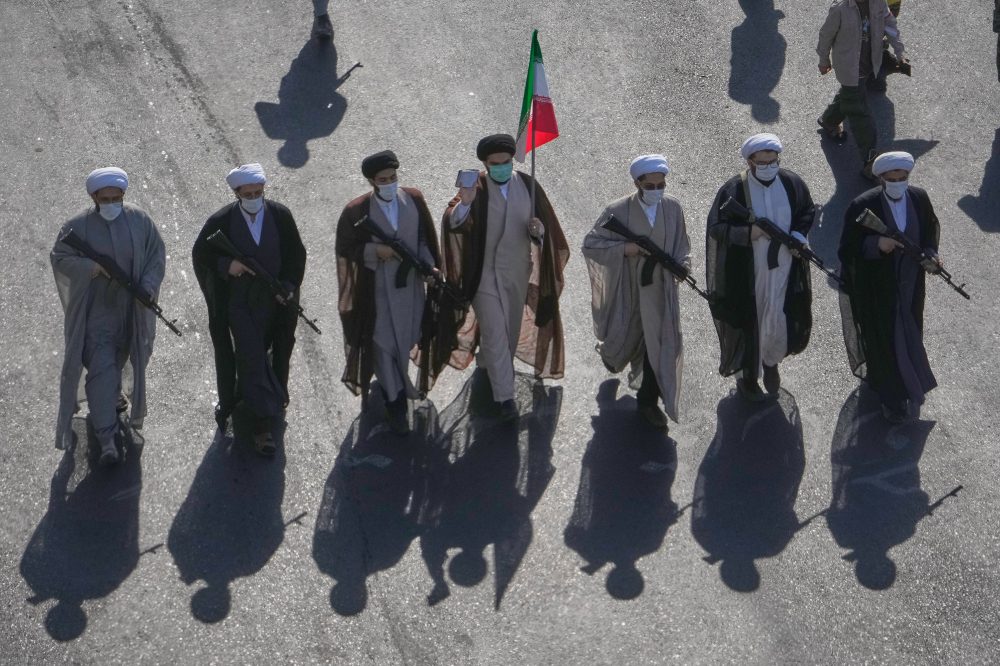 A projectile strikes a tanker as it sails into the Strait of Hormuz, and other Mideast developments
 3 suspects arrested in relation to one of a series of killings of women in South Africa
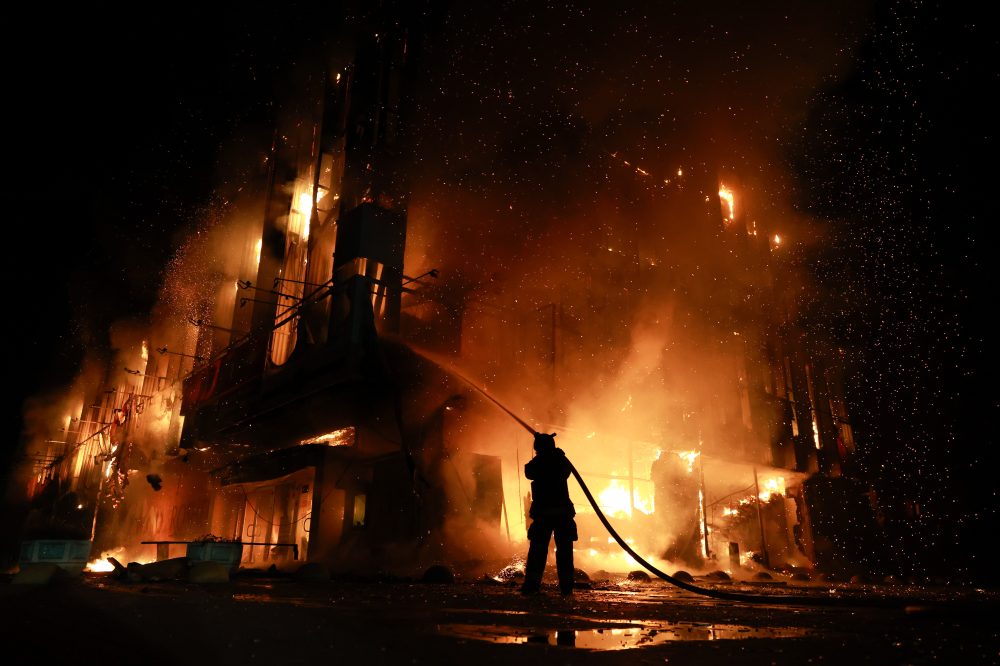 Russian drones slam a southern Ukraine city after Kyiv’s 1,000-drone weekend barrage
 Gaza students return to in-person schooling for first time in three years