

ADEN, Yemen (AP) — Yemen’s Houthi rebels, who launched a wave of attacks on Saudi oil facilities on Tuesday, have become an increasingly disruptive force in the Middle East in recent years, striking Israel, Saudi Arabia and a global shipping route in solidarity with Iran and allied armed groups.
They have been at war with Yemen’s internationally recognized government since 2014, when the rebels swept down from their mountainous heartland and seized much of northern and central Yemen. Saudi Arabia entered the war the following year on behalf of the government.
A ceasefire largely halted the fighting in 2022. The Houthis trained their fire on Israel and Red Sea shipping routes after Hamas’ Oct. 7, 2023, attack triggered the war in Gaza. Those attacks subsided after the U.S. carried out a wave of airstrikes on the Houthis in early 2025.
The Houthis kept to the sidelines during the initial, heavy phase of the Iran war, but in July they resumed attacks on Saudi Arabia and declared a blockade against the oil giant. The Houthis have their own reasons for fighting the Saudis, but it also serves Iran’s interests by ramping up pressure on an American-allied oil producer as Tehran seeks leverage against the United States.
The Houthis are members of Islam’s minority Shiite Zaydi sect, which ruled Yemen for 1,000 years until 1962. Their official slogan is “God is greatest; death to America; death to Israel; a curse on the Jews; victory for Islam.”
They battled Yemen’s central government for years before launching the 2014 offensive, which soon ground into a stalemate. The war has killed an estimated 150,000 people and at times pushed Yemen to the brink of famine. Even before the war, it was the poorest country in the Arab world.
A Saudi-led blockade has largely isolated Houthi-run areas of Yemen — including the capital, Sanaa — deepening the misery there. The Houthis have also faced growing discontent over their campaign of detaining U.N. employees and aid workers.
The 2022 truce largely held until July of this year, when the Houthis resumed their attacks on Saudi Arabia in response to an airstrike on Sanaa’s international airport that the rebels said prevented a flight from Iran from landing.
The Houthis also declared a blockade on Saudi shipping, threatening a major oil exporter at a time of soaring prices due to Iran’s disruption of the Strait of Hormuz. They threaten another key trade route, running through the Bab el-Mandeb and the Red Sea, that carries 12% of the world’s trade in peacetime.
Saudi Arabia has vowed to respond to such attacks, but seems keen to avoid a return to full-blown war.
The Houthis are a proud member of Iran’s so-called Axis of Resistance, an alliance of armed groups hostile to Israel that includes Hezbollah in Lebanon, Hamas in Gaza and Tehran-backed militias in Iraq.
Iran denies arming the Houthis — which would violate a U.N. embargo — but Iranian weapons have been seized from ships bound for Yemen on a number of occasions.
The Houthis’ profile rose after the outbreak of the Gaza war, when they began launching missile and drone attacks on Israel and targeting commercial ships in the Red Sea. The Houthis portrayed such attacks as a blockade on Israel, but most of the targeted ships had no known connection to Israel or the Gaza war.
Between November 2023 and December 2024, the Houthis targeted more than 100 merchant vessels with missiles and drones, sinking two and killing four sailors. Their campaign greatly reduced the flow of trade through the Red Sea corridor, which typically sees $1 trillion of goods move through it annually.
The U.S. and Israel eventually responded with waves of airstrikes in 2025, and the attacks largely ceased.
The Houthis have resumed their attacks on Yemeni government forces, killing dozens of troops and civilians. They have also fired on several Saudi oil tankers, disrupting shipping in the Red Sea.
The Bab el-Mandeb has worked as a pressure release valve since the start of the Iran war as Saudi Arabia has piped oil across the Arabian Peninsula to the Red Sea to avoid the Strait of Hormuz. Iran’s effective closure of the strait has jolted the world economy, driving up the price of fuel and other goods far beyond the Mideast.
The Houthis say the attacks on Saudi tankers are aimed at lifting the Saudi-led blockade. But they also serve Iran’s interests by opening a new front in a regional war with no end in sight.
___
Khaled reported from Cairo and Krauss from Ottawa, Ontario.
Brought to you by www.srnnews.com
 Tung Chee-hwa, Hong Kong’s first post-colonial leader, dies at age 89
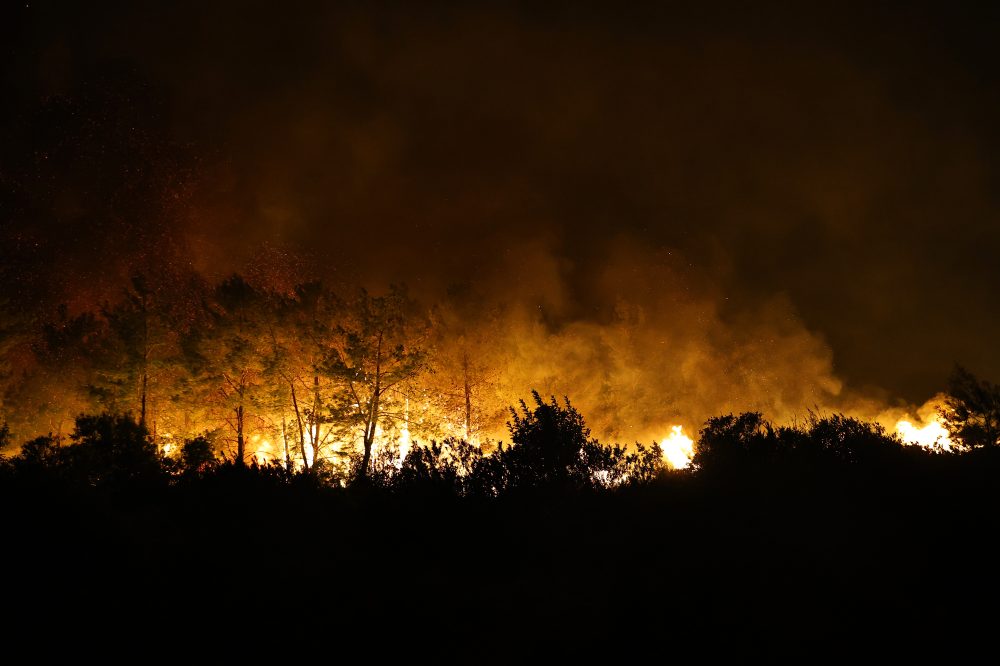 A wind-fueled wildfire forces hundreds from homes in Turkey as firefighters battle flames
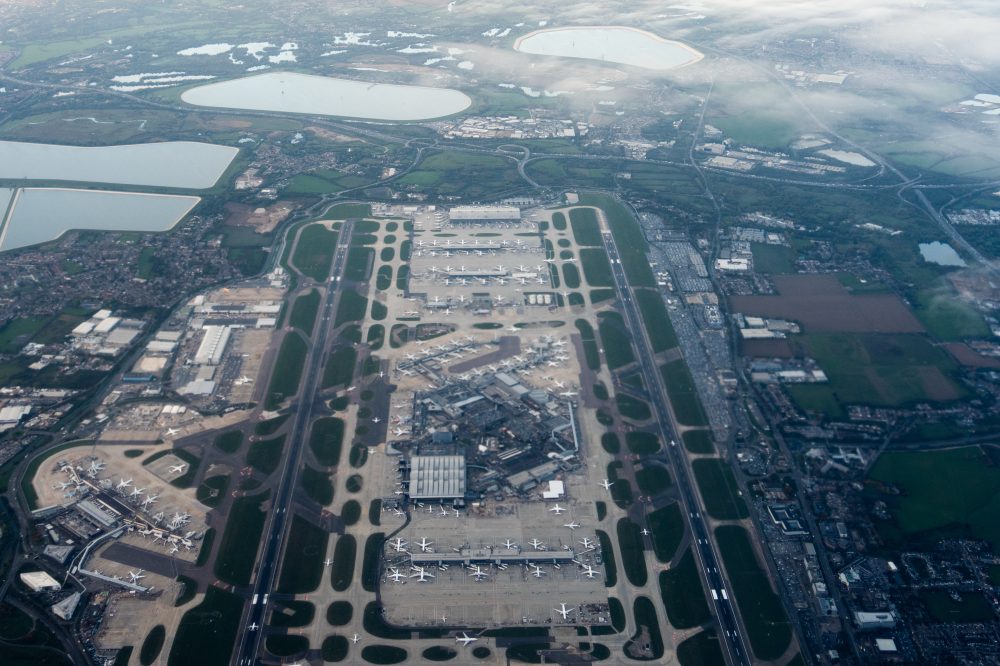 Travel chaos at UK airports as over 600 flights canceled due to air traffic control issue
 Exclusive-Equatorial Guinea police pull guns on migrants deported by Trump, witnesses say