
By Ahmed Eljechtimi
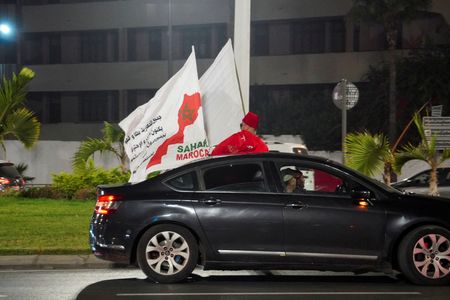
RABAT, Nov 4 (Reuters) – Morocco will stay committed to the ceasefire in Western Sahara despite the end of the United Nations peacekeeping mission in the territory, the Royal Palace said on Wednesday.
The 35-year-old UN peacekeeping mission came to an end after the Security Council did not renew its mandate last week, the UN said on Sunday, removing the international presence that has monitored the ceasefire in the decades-old dispute.
The Western Sahara conflict pits Morocco, which considers the territory its own, against the Algeria-backed Polisario Front, a political and military organisation that has been seeking a separate state there since the departure of former colonial power Spain in 1976.
Morocco’s “voluntary commitment” to the ceasefire will not change with the end of the UN mission, the palace said in a statement, following a meeting chaired by King Mohammed VI with the prime minister, royal adviser, and the army chief.
Morocco expressed satisfaction at the non-renewal of the mission, the Polisario said it was “concerned” and Algeria expressed “deep regret.”
Morocco controls all of Western Sahara’s urban centers and its coastline. It built a security wall in the 1980s stretching 2,700 kilometers (about 1,700 miles), leaving most of the territory under its control.
The Polisario operates east of the wall with rear bases in the area of Tindouf in southwestern Algeria, where it administers refugee camps.
In 2020, the Polisario said it resumed its “armed struggle” when Morocco took a border crossing with Mauritania. But the UN describes the conflict as “of low intensity.”
The UN mission has proven unable to ensure compliance with the ceasefire and its initial functions have become outdated, the palace said in the statement.
The king urged vigilance in ensuring “strict respect for the Kingdom’s territorial integrity, national security and the tranquility of its citizens,” it said.
The palace said last week that the end of the UN mission means the withdrawal of the Western Sahara issue from consideration by the Security Council.
In an interview with state media on Saturday, Foreign Minister Nasser Bourita said the next step for Rabat would be to remove Western Sahara from the UN’s decolonisation committee, saying Rabat had the support of two-thirds of UN member states.
(Reporting by Ahmed El Jechtimi in Rabat; Editing by Matthew Lewis)
Brought to you by www.srnnews.com
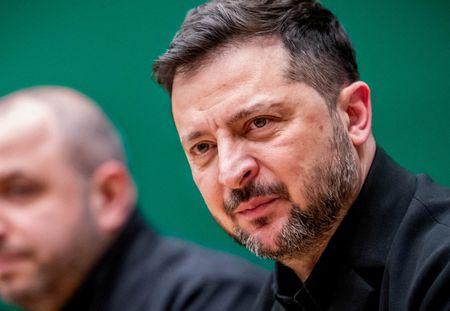 Zelenskiy in Spain to meet Sanchez, other leaders at Ibero-American summit
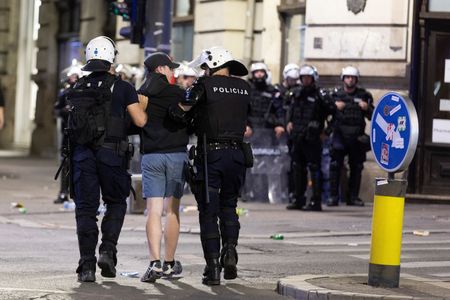 Serbia detains police officers over alleged use of force against protesters
 How Democrats expanded the map and won rural America
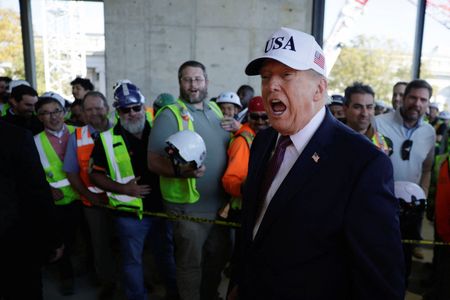 Trump says Republicans harmed by Iran war, inability to ‘transfer the love’ for him