
KHARTOUM, Sudan (AP) — Naked, hungry, raped and lying in her own urine, the woman said her captors after two days of misery handed her a phone. Call your friends and family, they said. Tell them to buy your freedom or you’ll be killed.
The 38-year-old said she screamed on the calls as horrified loved ones listened to her being tortured in a remote village in western Sudan.
Now safely in the capital, Khartoum, she looked through photos she took of her battered face and body after being freed in September. She wants them to serve as evidence to hold the attackers accountable.
“I thought about seeking justice one day,” she told The Associated Press. The AP does not identify people who say they have been sexually assaulted.
The United Nations calls sexual violence one of the “most defining features” of Sudan’s war, now in its fourth year. It says sexual assaults have soared since the war began but it did not have data on assaults by combatants.
The U.N. says many women have been subject to sexual slavery and forced to pay ransoms for their release, sometimes up to $10,000.
The AP met three women who said they were abducted, held as sex slaves and forced to buy their freedom. They were introduced by aid workers who said they were aware of what had happened. The AP could not verify the accounts by the women who spoke out in a country where discussing sexual assault remains deeply taboo.
All three blamed the paramilitary Rapid Support Forces that are battling Sudan’s military.
The U.N. and rights groups have accused all parties of sexual assault, including allied armed groups, but they say the majority of the violence has been committed by the RSF, particularly in the Khartoum area, Darfur and Gezira state. The U.N. says South Kordofan has also become a hot spot as the war expands there.
The RSF did not respond to questions about abductions or assaults.
The 38-year-old woman said she fled her home in el-Fasher in September, weeks before the besieged city in Darfur was captured by the RSF, an assault the UN said bore “hallmarks of genocide. ” Her husband, a soldier, had been killed. Her brother had been shot and badly wounded and needed care.
RSF fighters ambushed them on the road, she said. They separated out the women and children and searched the men for shoulder marks indicating they had carried a gun, a sign they likely were soldiers. Everyone was forced to strip, she said.
When the RSF tried to kill her brother, she told them to take her instead.
She said she was bound, beaten and thrown into a truck with four other women and teenage girls and driven to an abandoned village in the desert. Naked and hungry, they lay bound in a shelter, urinating on themselves.
For the next two days, she said she and the others were raped multiple times by different men. The captors would enter and choose who they wanted, untie them, assault them and bind them again.
“I was thinking about ending my life,” the woman said, wiping away tears.
On the second day, the men demanded about $1,500 for her freedom. She said they gave her a phone and told her to empty her bank account. She transferred everything, about $200.
They made her open Facebook and reach out to contacts. She called her cousin. But once he paid, she said, the fighters called him back and pressed a metal object on her fingernails while she screamed in pain, so he’d send more.
She said the torture, including sexual assault, went on for hours during calls. Her captors finally accepted about $700 for her release.
She still wonders about the women unable to pay.
They remain captive and eventually disappear, said Hala Alkarib, regional director of the Strategic Initiative for Women in the Horn of Africa, a grassroots feminist network.
The RSF has long held men and women for ransom but it has become more prevalent during the war, Sudan experts say.
Incidents of ransom, including for a small number involving sexual assault, have jumped by nearly 195% from the beginning of the war until May, according to the Armed Conflict Location and Event Data Project, a U.S.-based nonprofit. It said the majority of perpetrators are RSF fighters.
Ransoms will increase as the paramilitary force fragments following high-level defections, said Mohamed Younis, a Sudanese conflict analyst.
Another of the three women said that even when ransom money was collected, she wasn’t freed.
After a relative in the United States transferred about $1,250, the 30-year-old said, the captors still didn’t want to release her. In what she described as compassion, one smuggled her out of the compound at night and left her to find her way home.
She said she had been abducted from a market in Khartoum in 2024 when the RSF controlled the city. She was kept in a hut with other women for two weeks and forced to cook and clean, tend to cattle and sometimes bathe the fighters.
Each night she and the others were raped, she said: “They never missed a day … I have nightmares.”
The third woman said she had been abducted outside Dilling in South Kordofan, held for nine days in a compound, raped once and beaten. Her family paid for her release in September.
Psychologists say the ransoms have financial and emotional impacts on families, plunging them into debt as they sell their gold, cars and houses.
“The situation of these families is fragile,” said Thuria Komi, director of Bait Al Mohaba, a local group supporting women, including those who were sexually assaulted. She said her organization lacks the money to provide help the women need, including assistance with medical treatment.
The Trump administration last year stopped funding for the United Nations Population Fund, which provides support for sexual and gender-based violence, cutting more than $370 million in grants for more than 25 countries including Sudan, the U.N. agency said. The administration cited claims about past coercive abortions in China that UNFPA called unfounded.
Sudan is still receiving over $220 million this year from the U.S. for other humanitarian needs, according to U.N. data.
Reunited with her brother and living in a camp for displaced people, the 38-year-old said she struggles to move on. Doctors told her she had internal bleeding and fluid buildup from her ordeal, but she can’t afford surgery.
She has found solace in mentoring women and girls in the camp, but the debts she owes to those who saved her weigh heavily. Some were later killed in the war.
“Even those who died, I want to return it to their children or give it as charity on their behalf,” she said. “So I can feel at peace.”
___
For more on Africa and development: https://apnews.com/hub/africa-pulse
The Associated Press receives financial support for global health and development coverage in Africa from the Gates Foundation. The AP is solely responsible for all content. Find AP’s standards for working with philanthropies, a list of supporters and funded coverage areas at AP.org.
Brought to you by www.srnnews.com
 Heavy rain from tropical storm raises flood risks in the Tokyo region
 Rubio is optimistic on eventual Iran nuclear talks despite congressional skepticism (VIDEO)
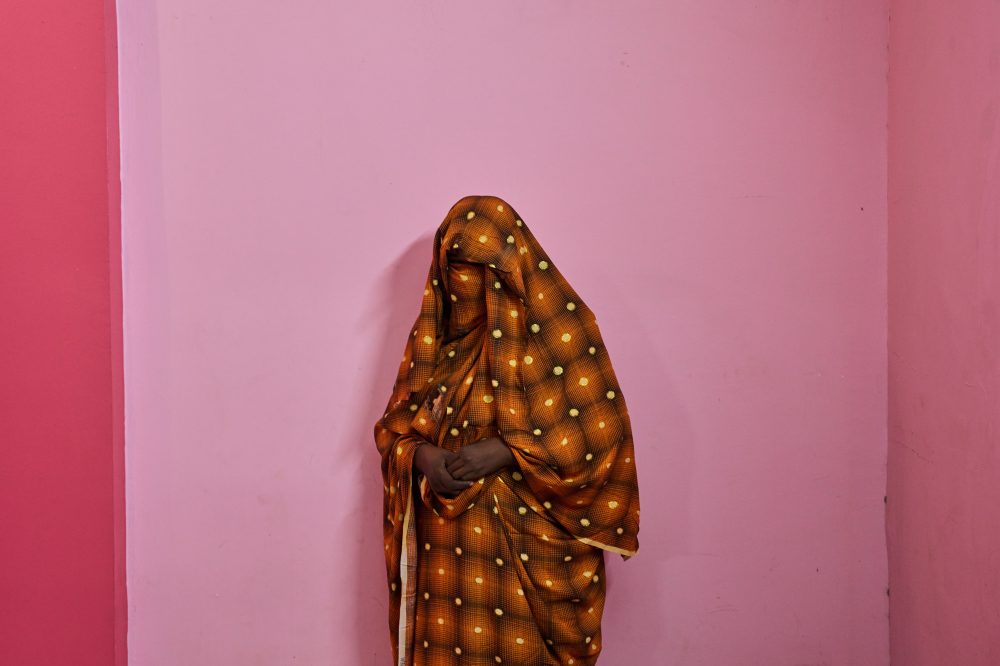 Women say they were raped and ransomed by fighters in Sudan’s ongoing war
 Republican Miller-Meeks, Democrat Bohannan head for rematch in Iowa congressional race